Why cap prices differ
A chimney cap is quoted after we measure the flue. Caps differ because stacks differ, and for a landlord with several buildings the useful question is what sets the price on each one.
The simplest job is a single round or square clay flue on a one-story roof, with a stock cap that fits the tile. The biggest job is a wide masonry stack with two or three flues under one cover that spans the whole top, made to measure, on a two-story roof that needs extra setup to work on safely. Most rental stacks in San Dimas are somewhere in between, and the Level 1 report shows what each one needs.
What a missing cap costs a landlord
A cap is a small part with a long list of jobs. On a rental, each job lines up with a call you would rather not take:
- Animals. Birds and raccoons treat an open flue as shelter. A tenant hears scratching, or smells something dead behind the fireplace, and the call comes to you.
- Water. With no hood over it, the flue takes rain straight in, and the first sign is often rust on the damper or a musty smell in the unit.
- Sparks. San Dimas backs onto the foothills, and Santa Ana season puts dry brush within reach of a stray ember. A cap with a mesh skirt keeps embers from a tenant's fire inside the flue.
- Down-drafts. Wind across an open flue can push smoke back into the room, which a tenant reports as a fireplace that does not work.
None of those is a large repair alone. Across several buildings and several winters, they add up to service calls, cleanup and a tenant who feels ignored.
Masonry stacks and metal chimneys
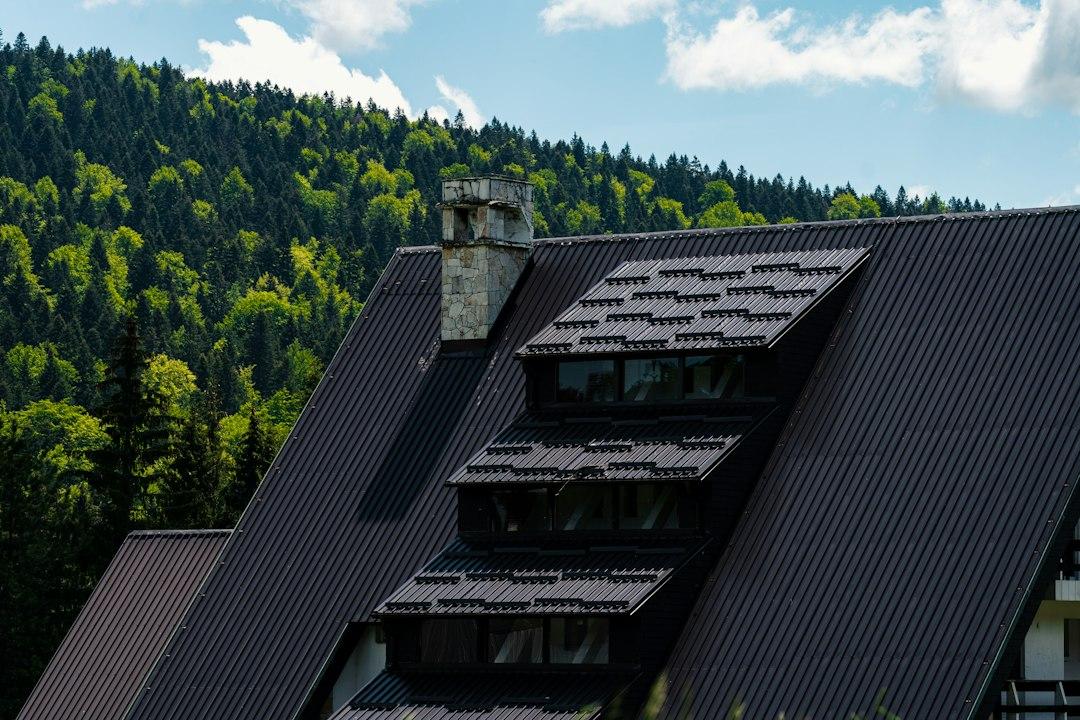
On a brick or block chimney, the cap is fixed to the flue tile or to the crown. A single-flue cap clamps to the tile. A cover for several flues sits on the crown and is anchored into it, which is why a crumbling crown has to be dealt with first; a new cap bolted into loose mortar does not stay put through a windy winter.
Many rentals built from the 1970s on have a factory-built fireplace with a metal chimney inside a framed chase. On those, the top piece belongs to the maker's design. We fit the cap listed for that chimney, not a generic one, and if the chase cover under it has rusted we note it on the report.
Budgeting caps across a portfolio
Caps are one of the easiest items to plan in a batch. The Level 1 round records the state of every cap on every stack: present and sound, present but damaged, or missing. Those notes become a single list with a stack-by-stack price, which lets you:
- do the missing caps first, since those are open flues today
- group the damaged ones by building so the crew climbs each roof once
- match material across a complex if the board wants the roofline to look uniform
Stainless steel is the usual choice for rentals: it holds up in the weather and costs less than copper. Copper is there for owners who want it, and it costs more.
Timing helps too. Caps fitted in late summer go on before tenants start lighting fires and before the first storms, and they ride along with the yearly Level 1 round if both are booked together. A cap fitted after a raccoon has moved in costs the same, plus the cleanup and a tenant who has already complained.
What decides the price, and the next step
What sets the price of a cap on each stack:
- the number of flues and whether one cover spans them
- the size and shape of the flue tile or the crown
- stock or made to measure
- stainless or copper
- the roof: height, pitch and what the roofing will take underfoot
- whether the crown needs work before a cap can be anchored
If you already have a recent Level 1 report from us, the cap list is in it. If not, a round of Level 1 visits at $53 per fireplace gives you the list and the inspection record together. Either way, send the addresses and how many stacks each building has, and we book the visits. Each stack gets a written cap price after we measure it.
Get cap prices for your buildings
On the day
A cap install is a roof job. Tenants need nothing from us beyond knowing a crew is overhead, which your office can pass on. We only need entry to a unit if the install is paired with an inspection or a sweep. Each finished stack is noted in the report, so the record shows which flues are covered and when the cap went on.
That record matters in two places: the next insurance renewal, where an open flue on a wildfire-edge address can draw questions, and the next sale, where a buyer's inspector will look at the top of the chimney before anything else.
Where to read more
The chimney cap installation page lists the cap types we fit. If a cracked crown turns up, the crown repair page covers that work, and the post on chimney leaks in rentals follows the water side of a missing cap.
A list of buildings with a stack count is enough to begin. Send it from the contact page and the cap prices come back per stack, in writing.
Units of Your Own to Schedule?
Ellery Chimney Contractors works from San Dimas for owners, boards and managers. Each fireplace gets a dated sheet with photos, and the building gets one summary.