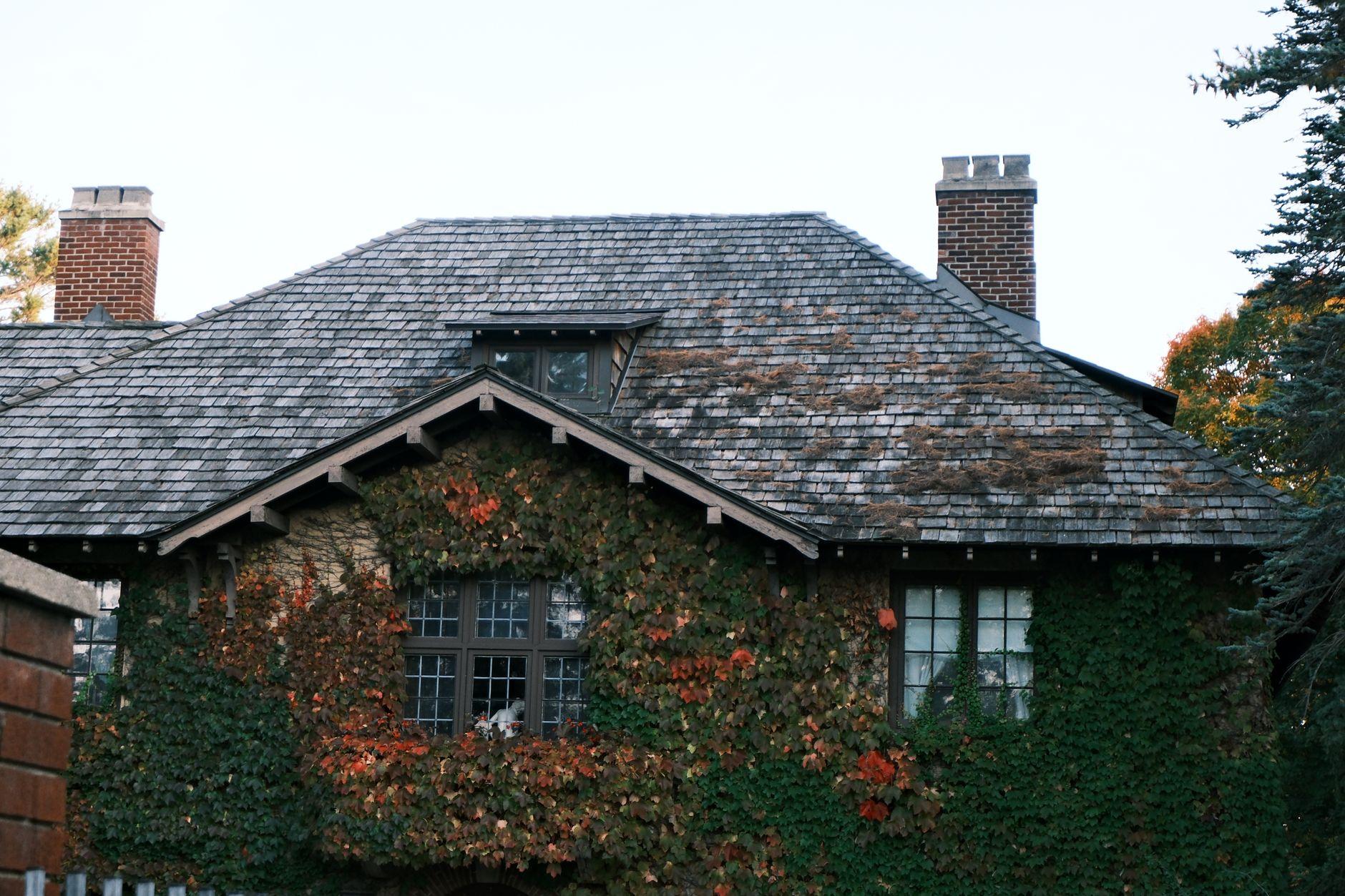
From a tenant message to a work order
The message usually reads something like this: there is a brown patch above the fireplace, the wall by the chimney feels soft, there was water on the hearth after the rain. In an occupied unit it is not a repair you can leave for spring. The tenant is living with it, the drywall is getting worse, and if mold follows, the conversation with the tenant changes.
Ellery Chimney Contractors handles chimney leaks on San Dimas rentals as a trace first and a fix second. The written price comes from what the trace finds, inside our published range of $540 to $3,250.
Where chimney water comes from
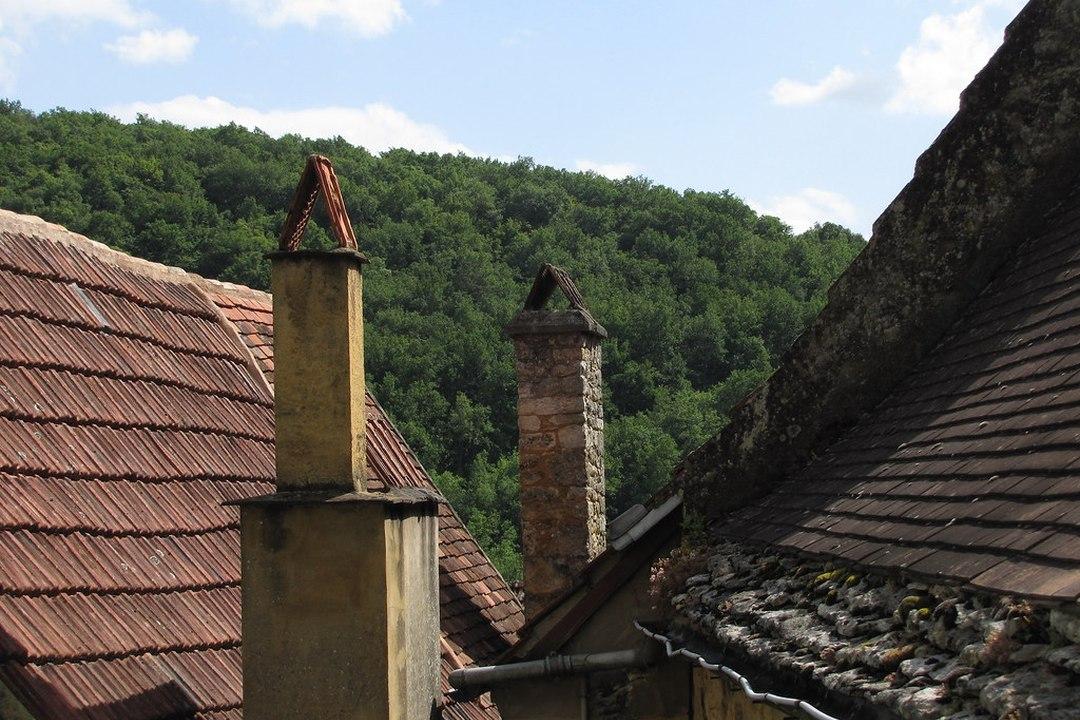
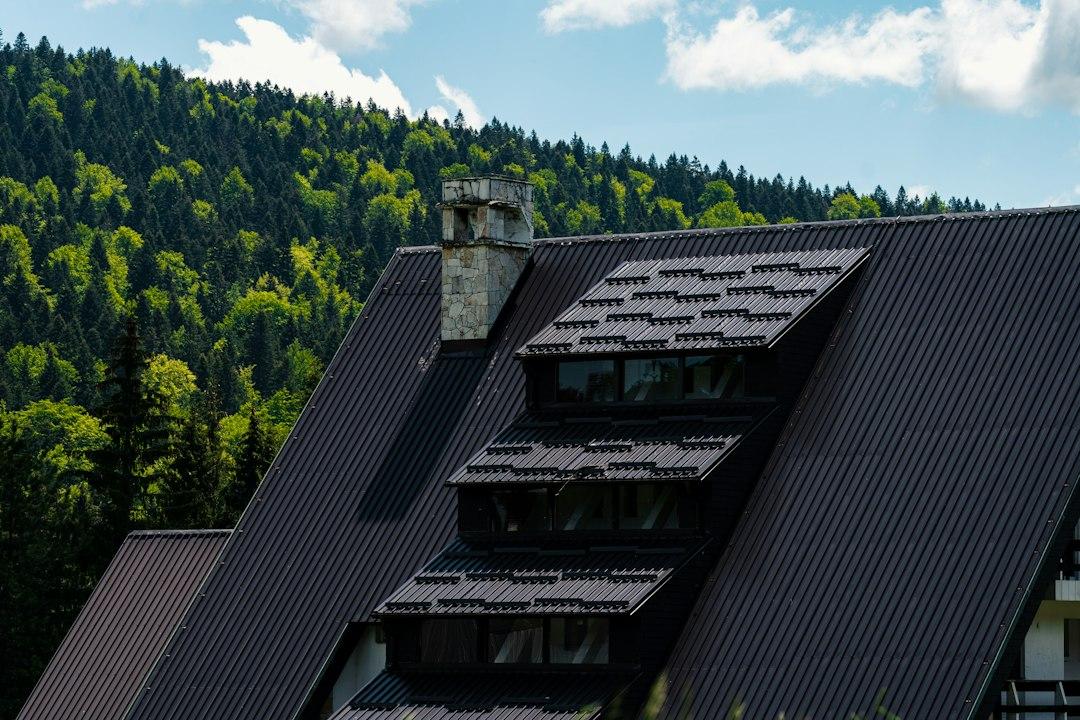
A chimney cuts through the roof, stands in the weather on every side and has an open top. Water can enter at any of those, and on a rental that has gone a few winters without a roof-level look, more than one is often to blame.
- The top. A flue with no cap takes rain straight down. A cracked or crumbling crown, the concrete or mortar slab capping the brick, lets water into the masonry below.
- The seal at the roof. The metal joining the roofing to the brick bends, lifts or loses its sealant, and water follows the brick down inside the roof.
- The uphill side. On a wide stack, water and debris collect behind the chimney on the high side of the roof. Without a small diverter built there, that pool finds the weakest joint.
- The brick itself. Old brick and worn mortar joints soak up rain, and on the inside wall it shows as a damp patch or flaking paint.
How the trace runs
We start inside the unit with the tenant's description and the stain itself: where it sits, its shape, whether it is above the mantel or off to one side, whether it is wet right now. Then the roof: crown, cap, the metal at the roofline, the high side of the stack and the state of the brick and joints. Where the attic is reachable we follow the stack down to see where water has marked the framing.
If one source is plain, the trace stops there. If two or three are possible, we test them separately with a hose. The report names each source, with its own repair and its own price, so the owner can see what each part of the bill buys.
The price range and what sets it
Our leak repair range is $540 to $3,250. Where a building falls depends on:
- how many sources the trace finds
- whether the fix is resealing and new metal at the roofline, or larger work on the brick
- the roof: height, pitch and type of roofing
- whether a diverter on the uphill side is part of the fix
A few related items carry their own published prices. A diverter behind the stack, by itself, is $435 to $980. That diverter together with a full new roof-to-brick seal is $650 to $1,600. A cap for an open flue is quoted after we measure, and the price depends on the stack. Crown rebuilds and water repellent treatments have no list price; they appear on the scope with a figure for that stack.
The next step for a leak is a trace visit. Send the address, the unit, and a few words on where the water appears and in what weather, and we book the trace and return a written scope with each source priced.
While the repair waits
Between the trace and the repair, the unit still has a tenant. The report says whether the fireplace can stay in use until the work is done, and how far the stain inside has spread, so your interior crew knows what they are patching and when it is safe to patch it. Water in the brick is not usually a reason to stop using a fireplace; water that has reached the framing or the firebox lining can be, and the unit's page says so plainly.
Interior repairs wait until the source is fixed. New drywall over a live leak is money spent twice.
On a building with several stacks, a leak in one unit is a reason to look at the others on the same roof. They were built at the same time, with the same metal and the same crown, and they have had the same weather. The trace visit can add a roof check of the neighboring stacks, and anything found there goes on the scope as a separate, optional line rather than a surprise later in the season.
Records for owners and insurers
Each leak job leaves a dated page in the unit's file: the sources found, the repair done, the date and stills of the finished roof work. If the leak led to an interior repair or a claim, that page shows the cause was found and fixed. For an HOA, it also shows which part of the chimney was involved, which helps when the board and an owner disagree about who pays.
Where to read more
The chimney leak repair page covers the repair in full, the flashing repair page and the waterproofing page cover two common fixes, and the post on caps on rental chimneys looks at the top of the stack.
When a tenant's next message mentions water by the fireplace, pass it to us through the contact page; a written scope with each source priced comes back after the trace.
Units of Your Own to Schedule?
Ellery Chimney Contractors works from San Dimas for owners, boards and managers. Each fireplace gets a dated sheet with photos, and the building gets one summary.